Skip to Main Content
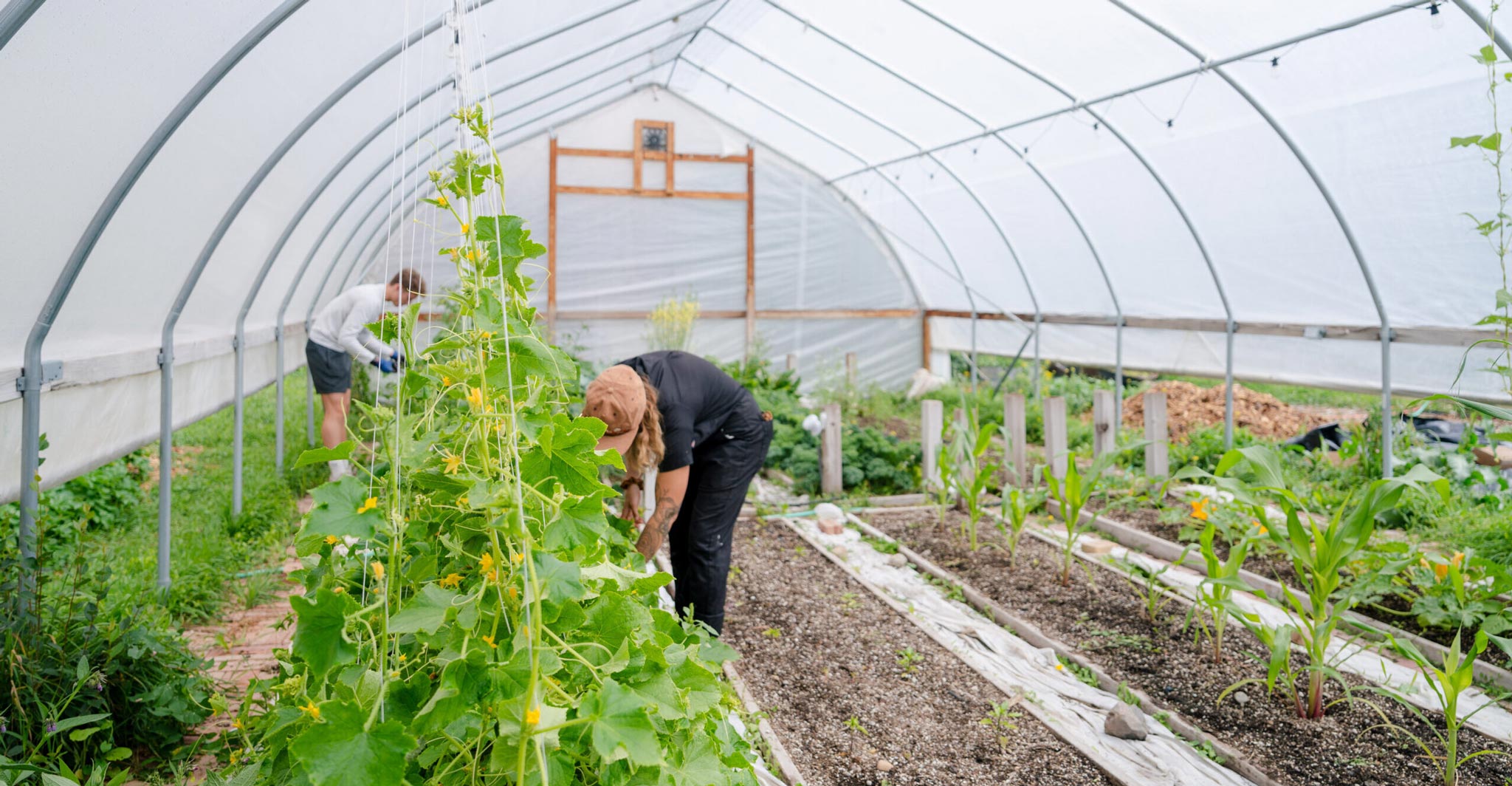
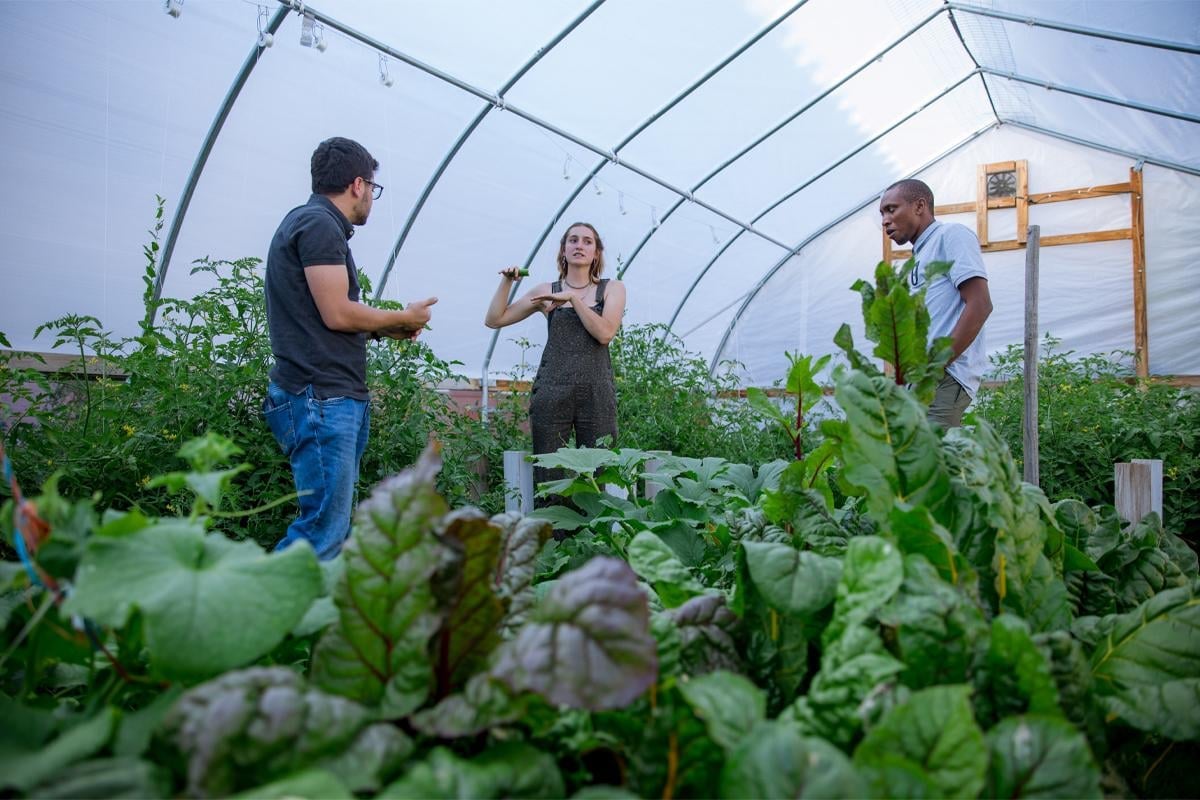
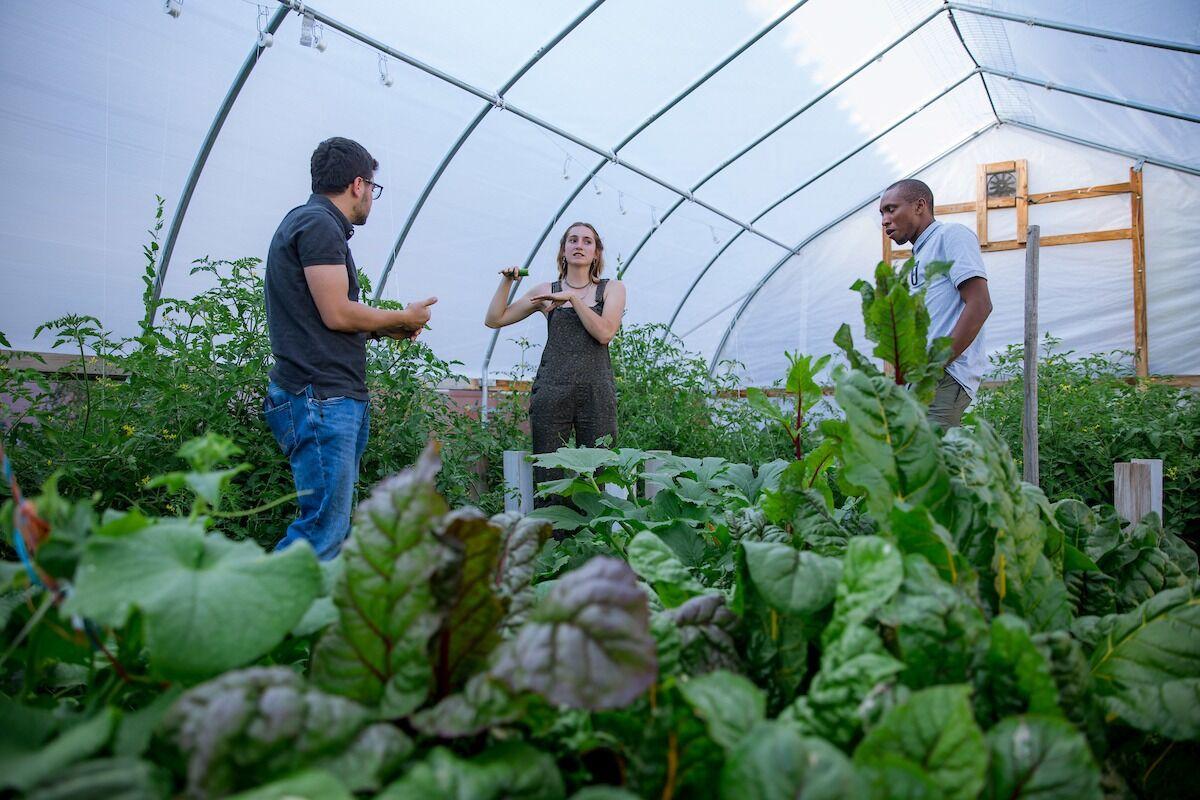
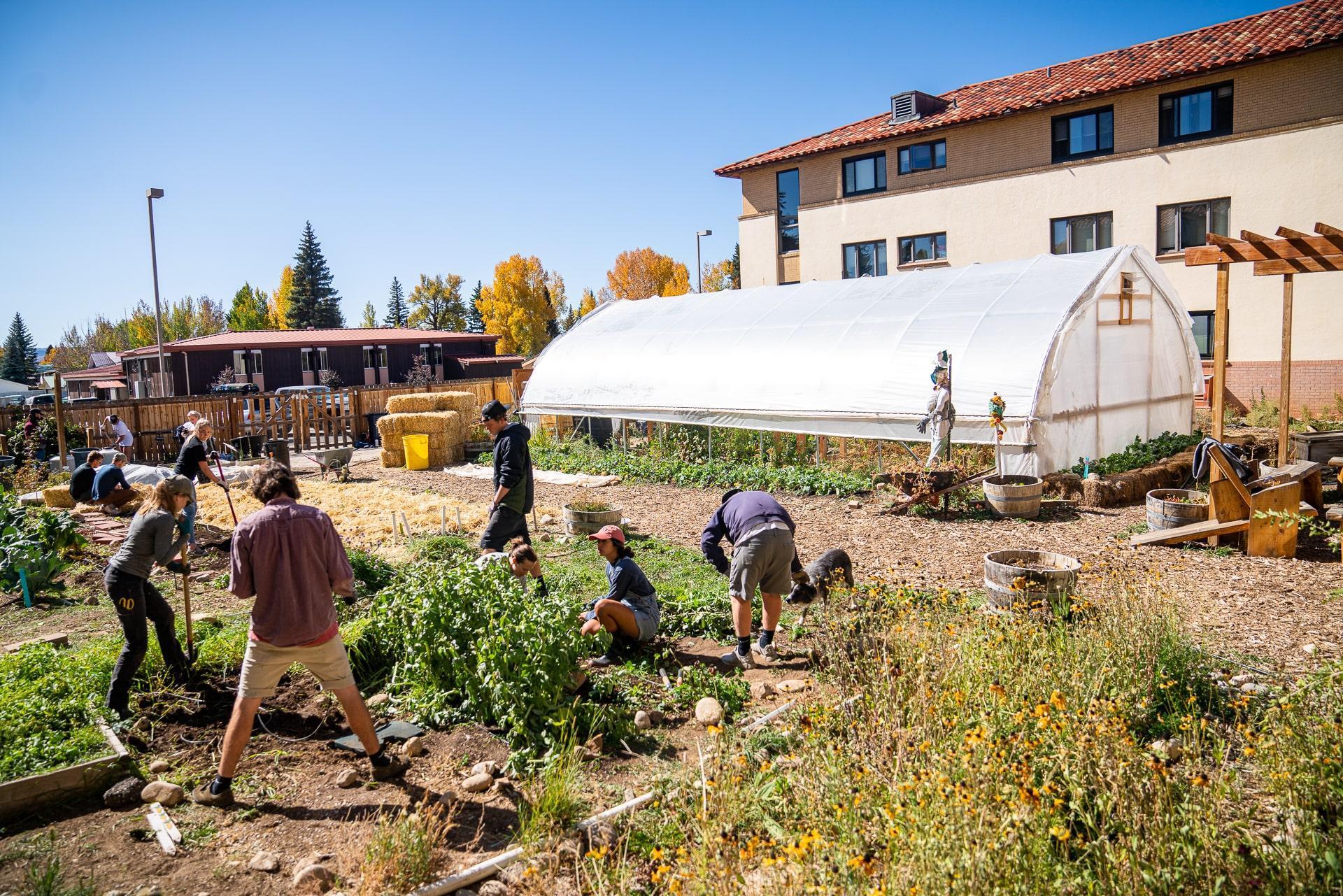
Two MEM students prune plants in the Chipeta Garden.

Clark Family School of Environment & Sustainability

Environmental & Sustainability Degrees in Colorado

Explore environmental and sustainability education at Western Colorado University’s Clark Family School of Environment & Sustainability. Located in Gunnison, Colorado, in the heart of the Rocky Mountains, the Clark School offers undergraduate and graduate programs that connect environmental studies, ecology, conservation, and natural resource management with hands-on learning and real-world experience.

Whether you’re interested in addressing climate change, protecting public lands, restoring ecosystems, or building more sustainable communities, Western offers opportunities to explore environmental challenges from multiple perspectives. Choose from undergraduate degrees, graduate programs, specialized certificates, and accelerated bachelor’s-to-master’s pathways that connect your interests with your educational goals.

At Western, the environment is more than a subject you study. It’s part of your everyday experience. Through field-based courses, applied research, and community partnerships, students explore environmental challenges in the landscapes and communities surrounding them.
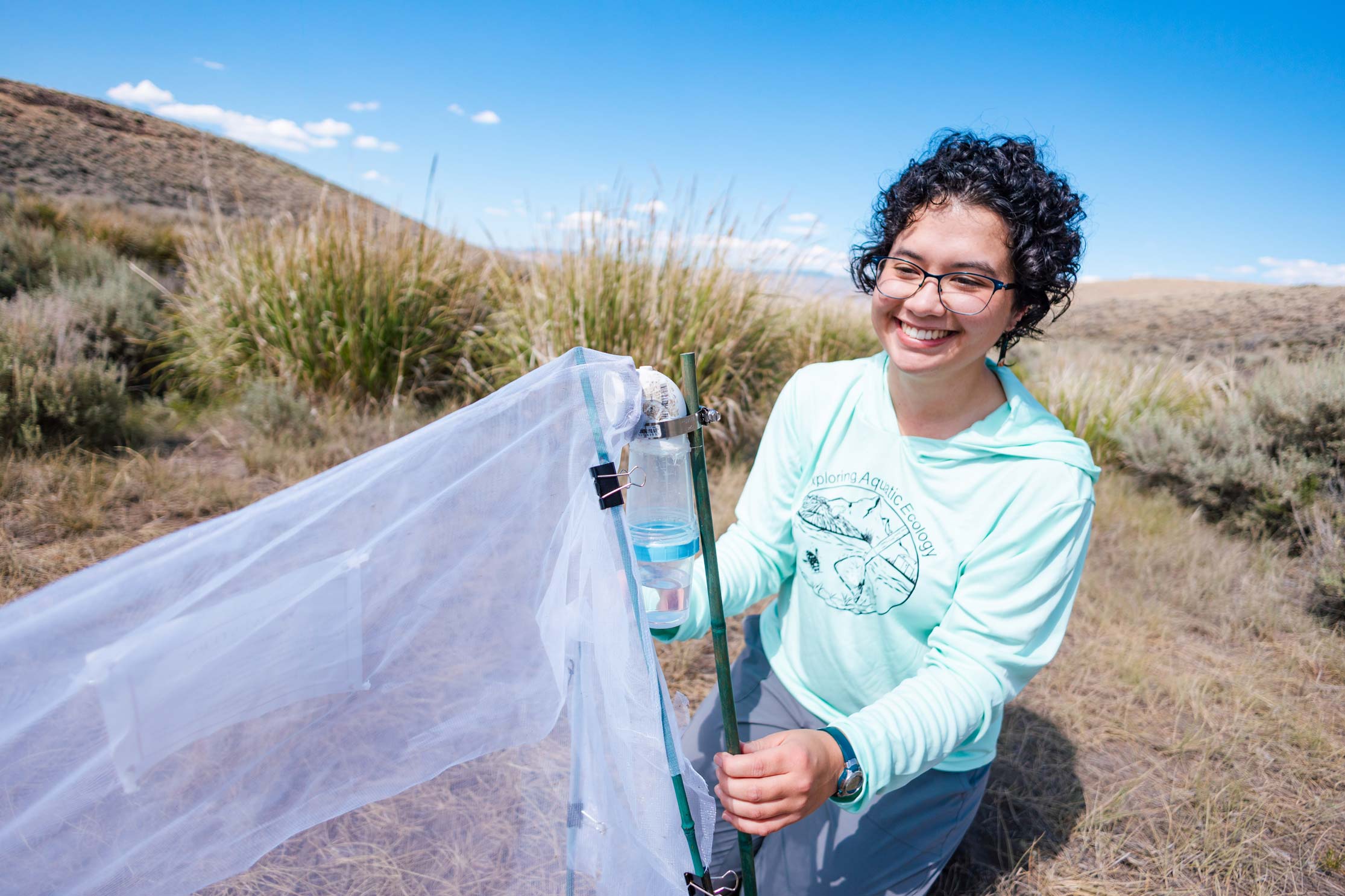
A student smiles as she sets up a bug net to collect data on insect populations in a wet meadow restoration area.

Find Your Environmental Program

From undergraduate environmental studies to advanced degrees in ecology and environmental management, the Clark Family School offers academic pathways for students at different stages of their education.

Undergraduate Environmental & Sustainability Programs

Build a foundation in environmental studies while exploring the connections between natural systems, communities, and sustainability. Western’s undergraduate programs combine interdisciplinary coursework with opportunities to apply what you learn beyond the classroom.

Explore areas of study including:

  • Environment & Sustainability: Examine environmental challenges through interdisciplinary approaches that connect ecological, social, and economic systems.
  • Climate Action Planning: Explore strategies for responding to climate change and supporting sustainable communities.
  • Food Systems: Study the relationships between food production, communities, and environmental sustainability.
  • Public Land Management: Explore the stewardship and management of public lands and natural resources.
  • Water Studies: Investigate water resources, environmental systems, and the challenges surrounding water management.
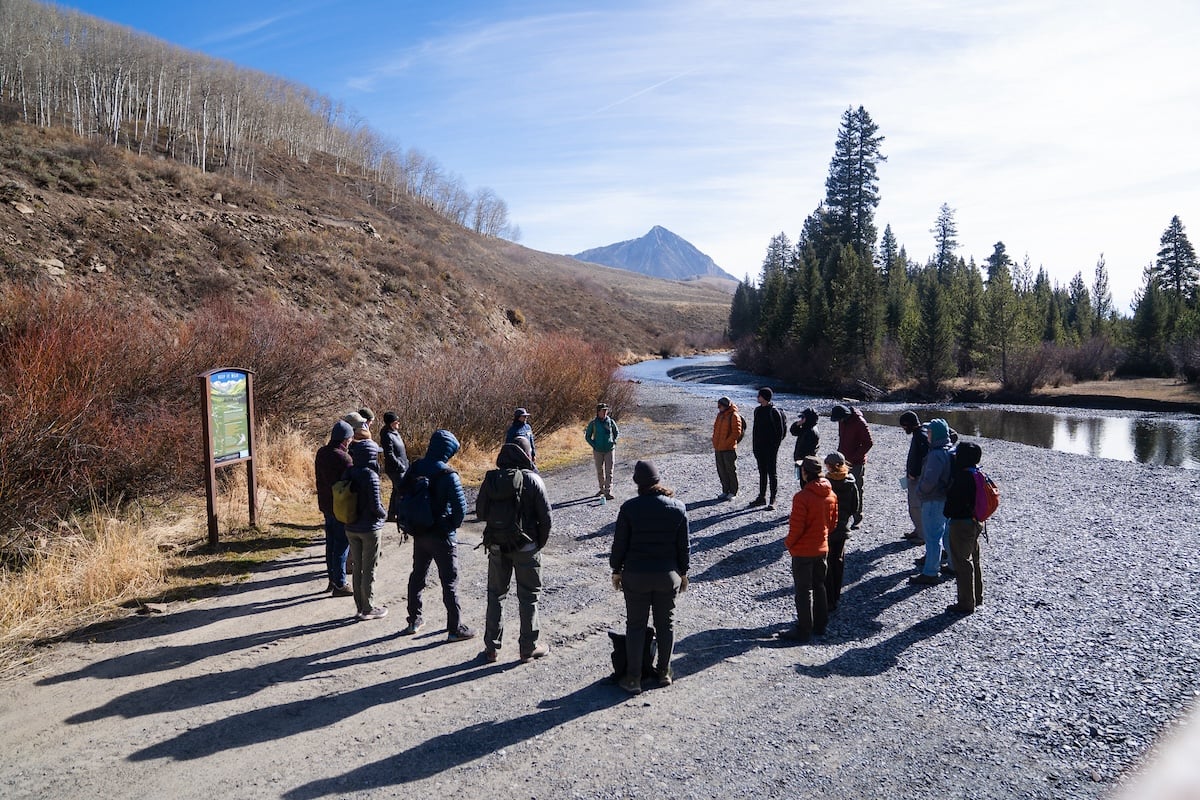
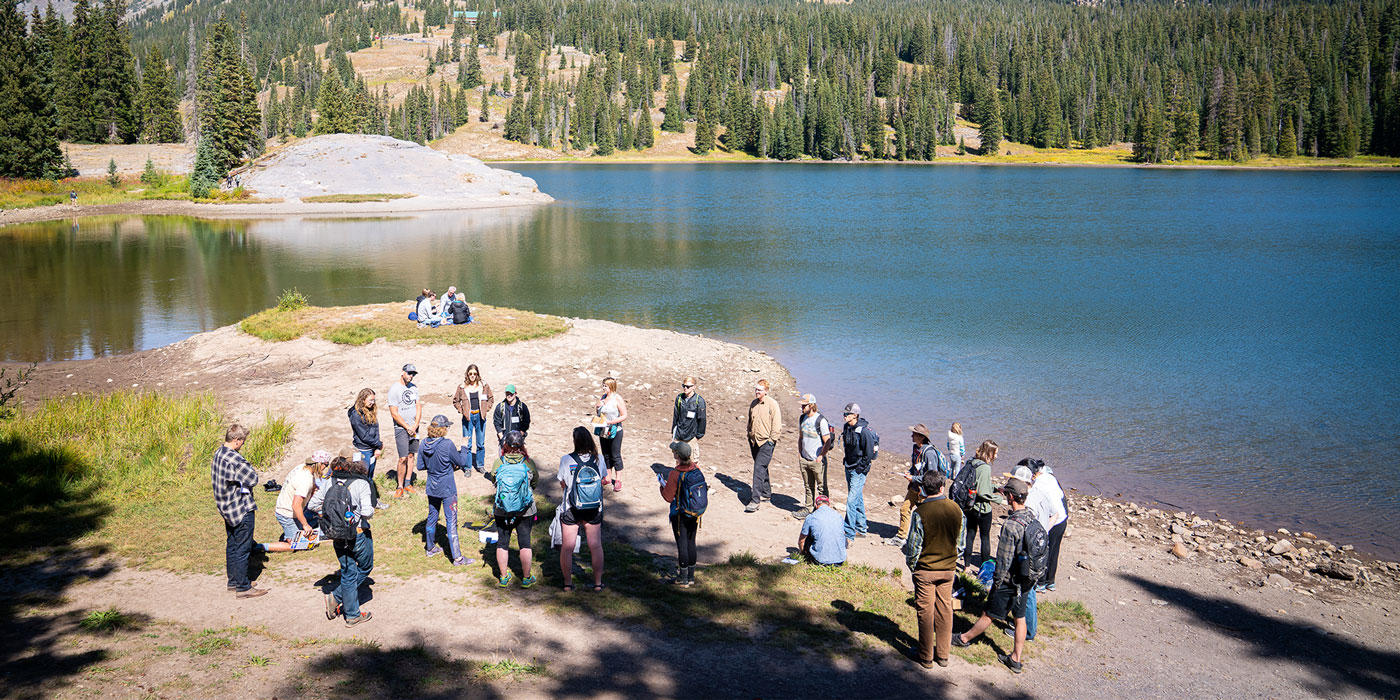
Mem faculty, students, and alumni listen to speakers from the Crested Butte Land Trust while standing in a circle formation next to the Slate River on a sunny fall day.

Graduate Environmental Programs

Advance your knowledge through graduate programs focused on environmental management, ecological science, and applied problem-solving.

Master of Environmental Management (MEM)
Western’s Master of Environmental Management prepares students to address complex environmental challenges through interdisciplinary coursework, applied projects, and professional development. Students explore environmental management in the context of communities, landscapes, policy, and natural resources.

MS in Ecology
Western’s MS in Ecology provides advanced study in ecological science, research, and environmental systems. Students explore ecological questions through scientific inquiry and opportunities for applied research.

Environmental & Sustainability Certificates
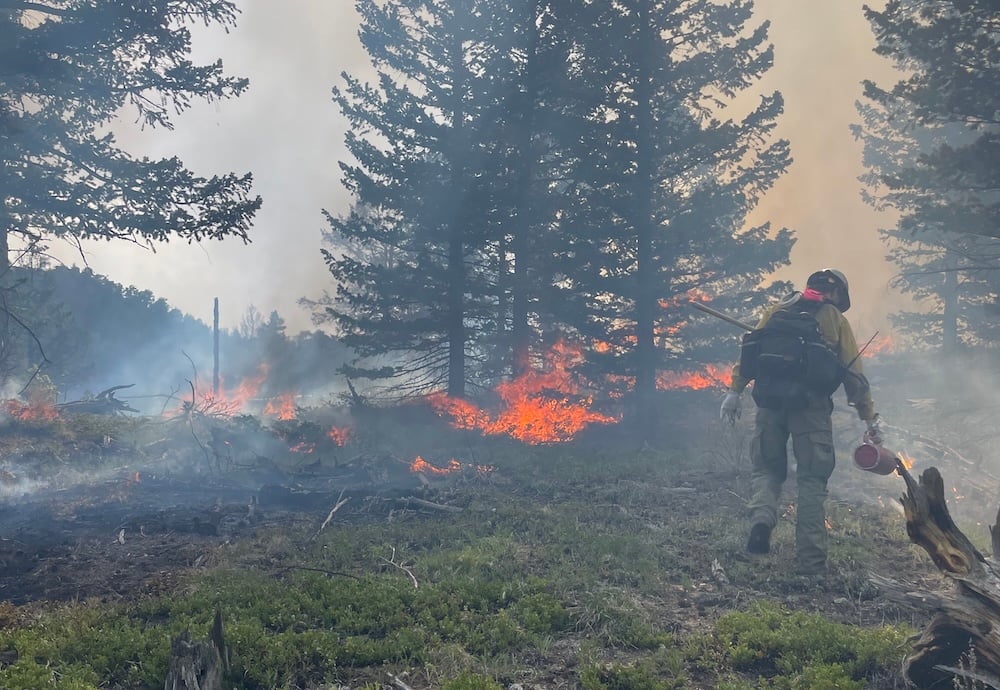
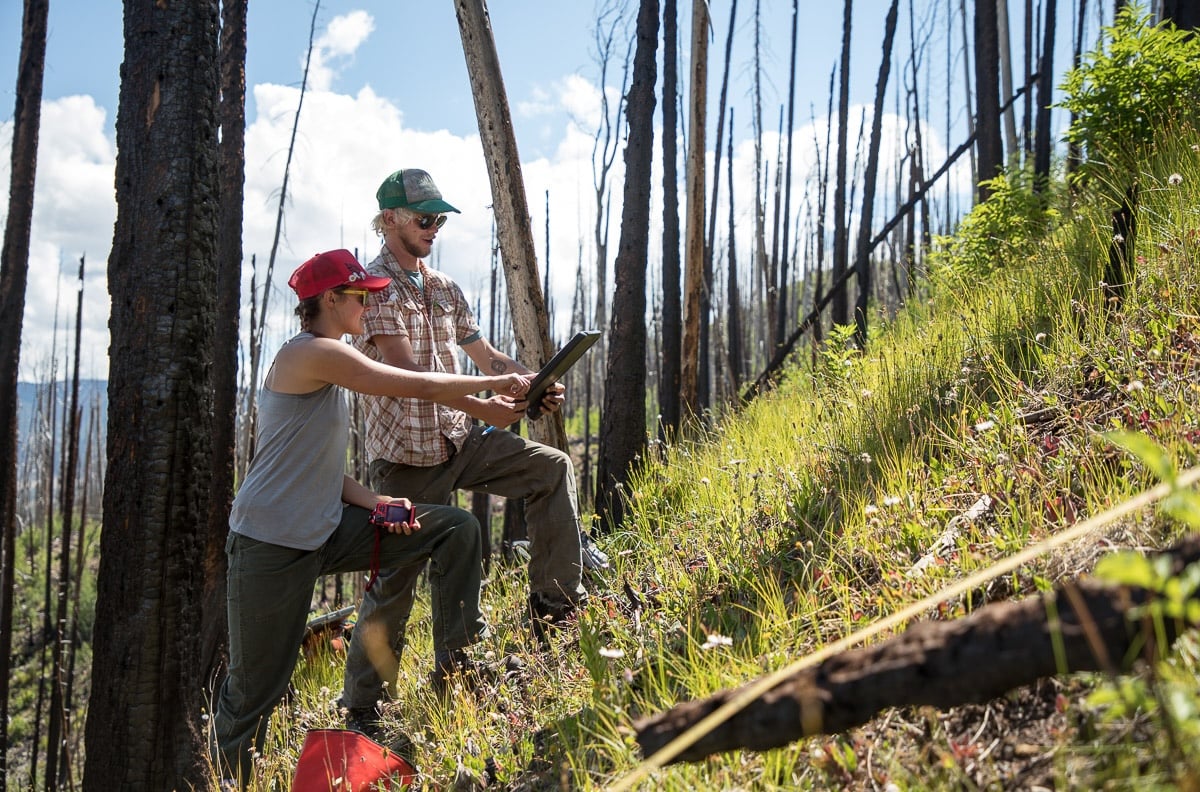
Develop specialized knowledge in environmental management through graduate certificate programs focused on specific environmental challenges and professional interests. Certificate areas include ecosystem restoration, forests and wildfire management, mine reclamation, community resilience, and integrative lands management. These focused programs offer opportunities to deepen your expertise in topics relevant to environmental stewardship, restoration, and resource management.

Accelerated Bachelor’s-to-Master’s Pathways
Interested in continuing your environmental education beyond your undergraduate degree? Western offers accelerated pathways that allow eligible students to begin graduate-level study while completing their bachelor’s degree. These pathways provide an opportunity to build on your undergraduate experience and pursue advanced environmental education.
Areas of Study

Hands-On Opportunities

Where Environmental Learning Meets the Real World

At Western, environmental education extends beyond the classroom and into the landscapes of the Gunnison Valley and Colorado Rockies. Through field-based coursework, applied research, and collaborative projects, students gain firsthand experience exploring environmental systems and addressing real-world challenges.

Field-Based Environmental Learning
Explore environmental systems in the places where they occur. From mountain ecosystems and forests to rivers and watersheds, Western’s location provides opportunities for field observations, ecological research, environmental assessment, and hands-on learning throughout the Gunnison Valley.

Research & Real-World Projects
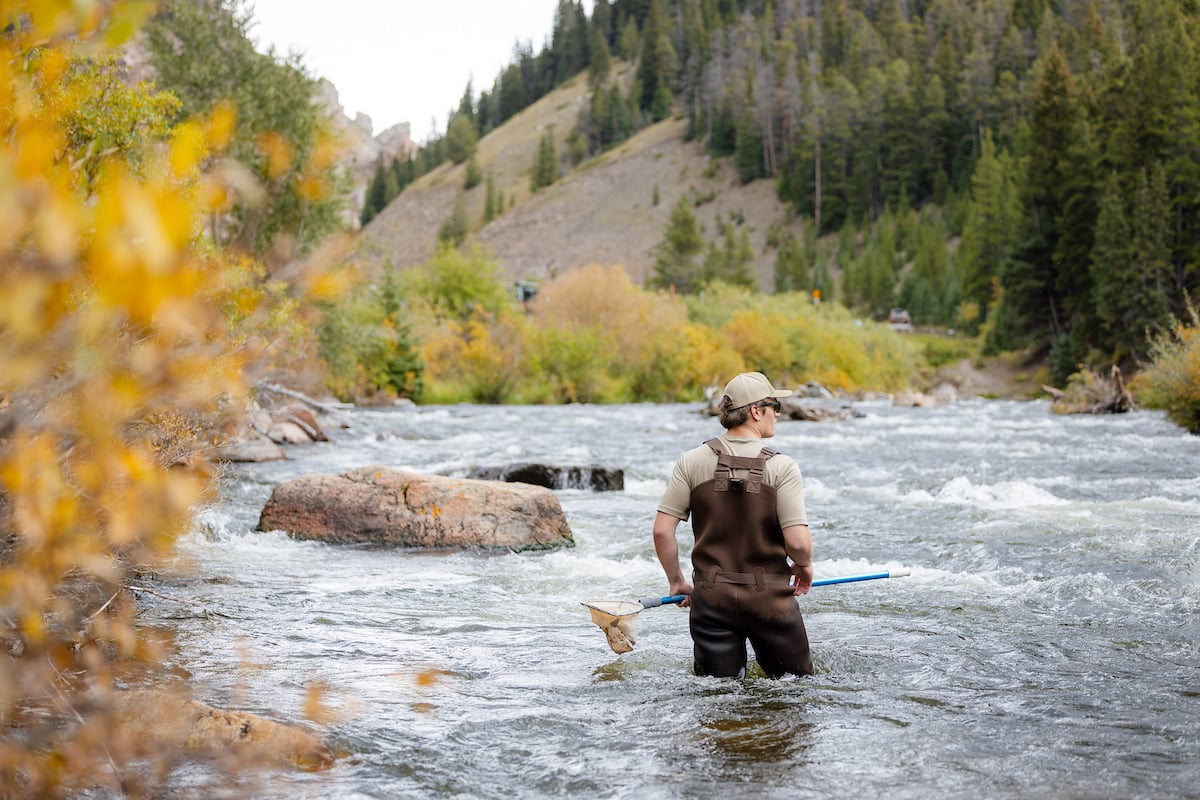
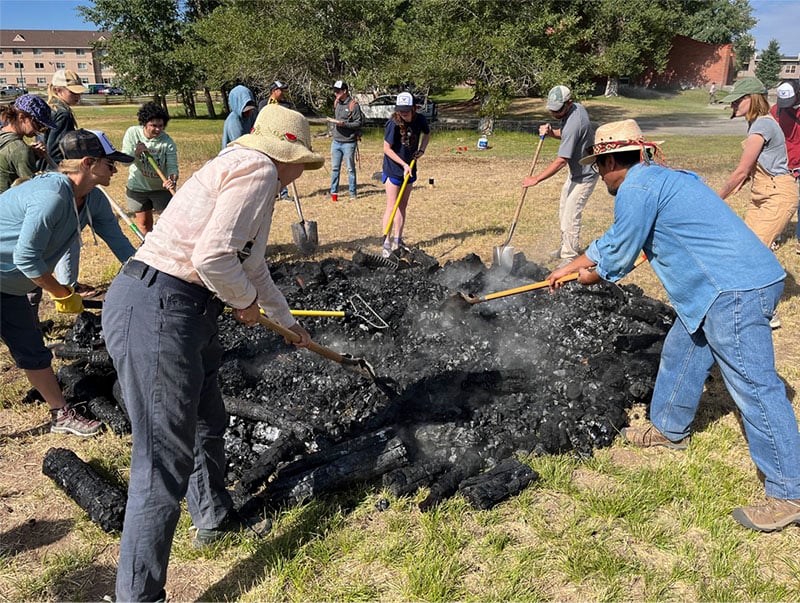
Put environmental knowledge into practice through research and projects that investigate real-world challenges. Western’s environmental work includes biochar research exploring climate solutions, projects at Verzuh Ranch, and studies involving river systems and environmental stewardship. These experiences connect scientific inquiry with practical approaches to understanding and managing natural environments.

Community Partnerships & Environmental Collaboration
Environmental challenges require collaboration across disciplines and communities. Western’s environmental programs connect students with local organizations, research institutions, and environmental professionals through opportunities to engage with projects and initiatives beyond campus. These experiences offer insight into how environmental research, policy, and community needs intersect.

Through connections with organizations such as the Rocky Mountain Biological Laboratory and Coldharbour Institute, students can explore how environmental research and community partnerships contribute to work across the Gunnison Valley.

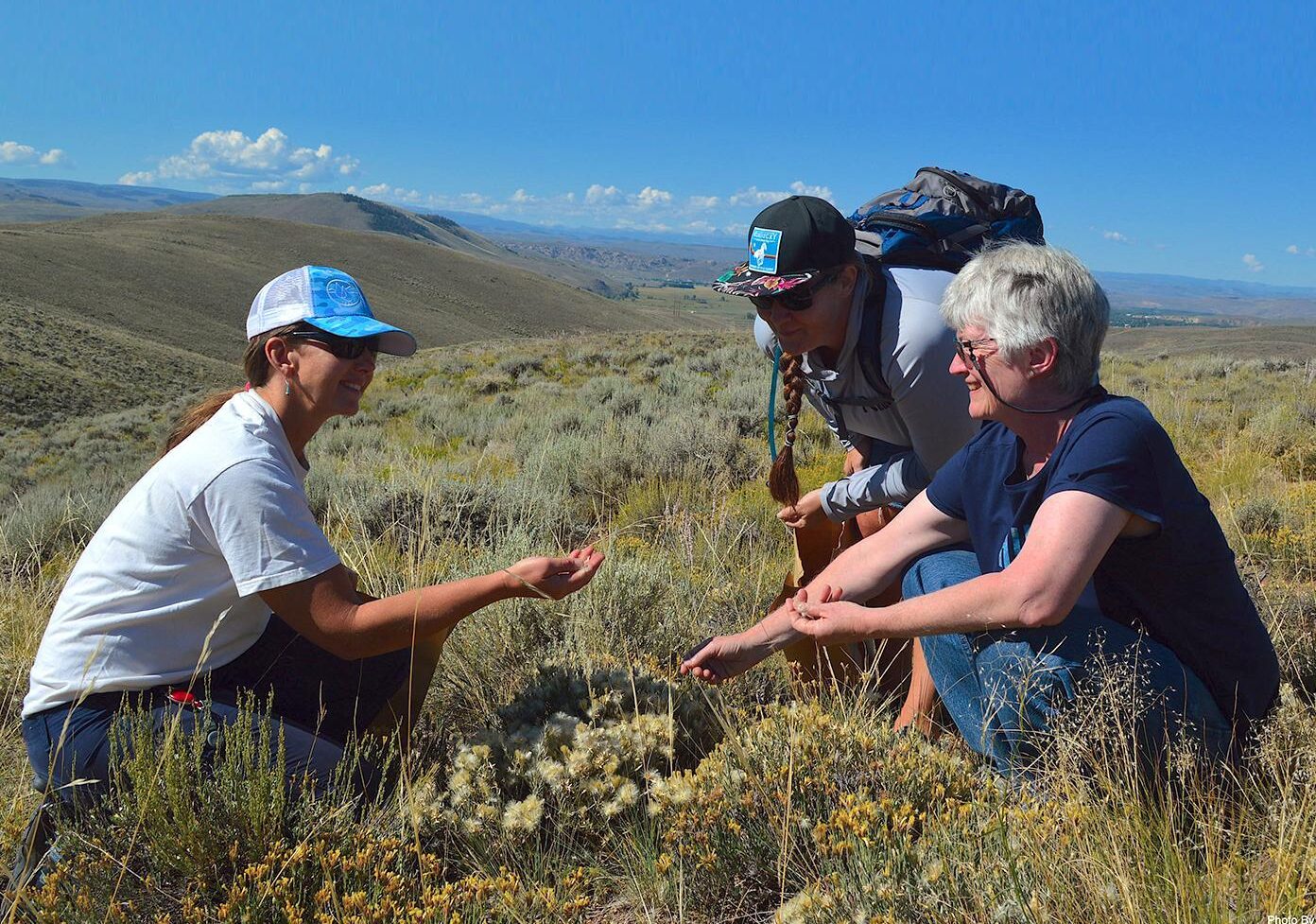
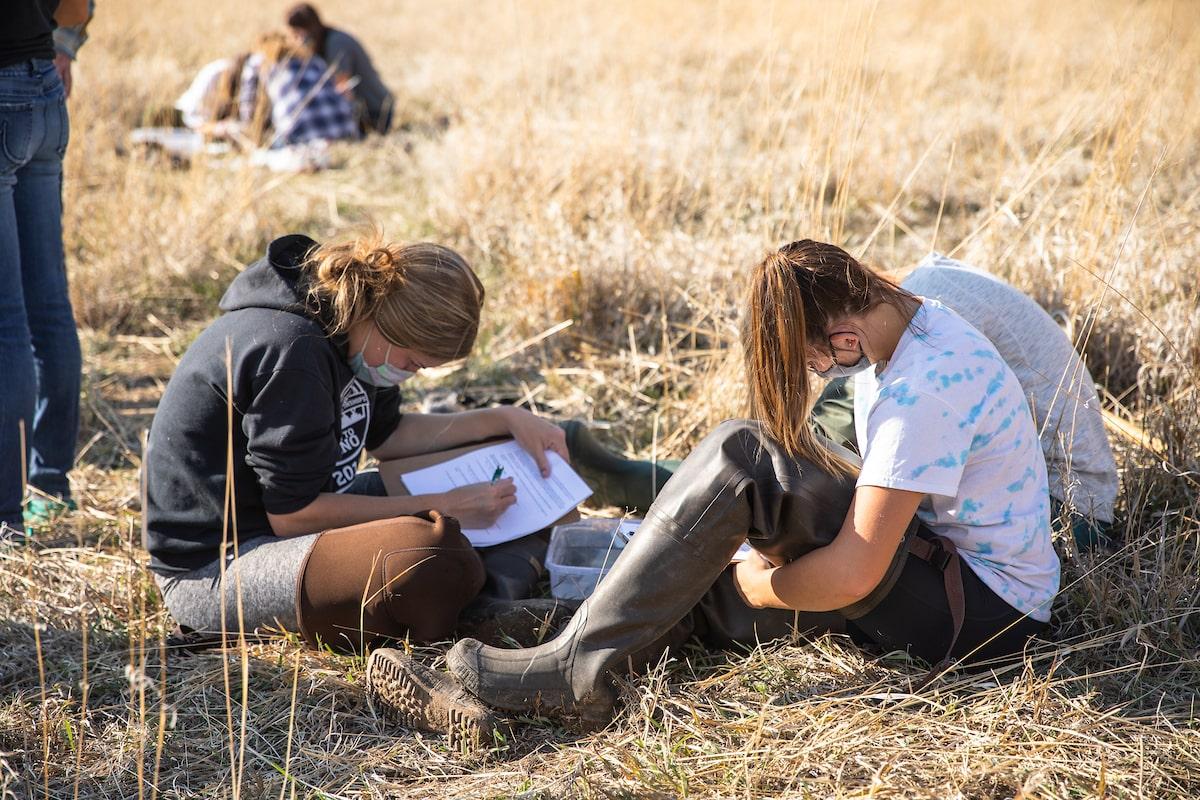
Two students crouch with an MEM faculty member while studying vegetation in a field of sage.

Why Study Environment & Sustainability at Western?

Choosing an environmental or sustainability program is about finding an education that aligns with your interests and goals. At Western Colorado University, students benefit from a distinctive mountain setting, interdisciplinary academic opportunities, and connections with faculty who bring environmental expertise into the classroom.

Study in the Heart of the Rocky Mountains
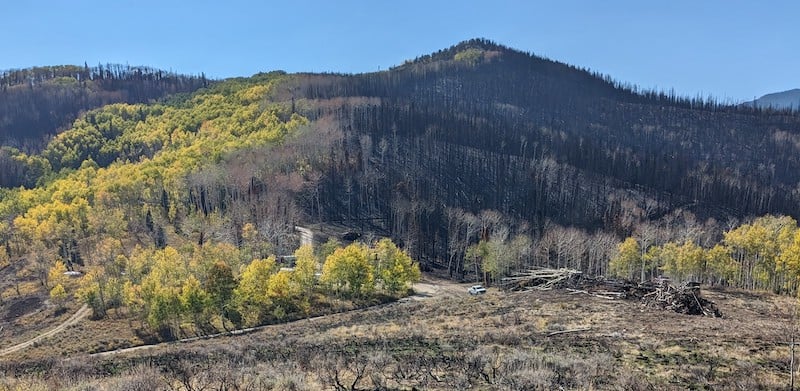
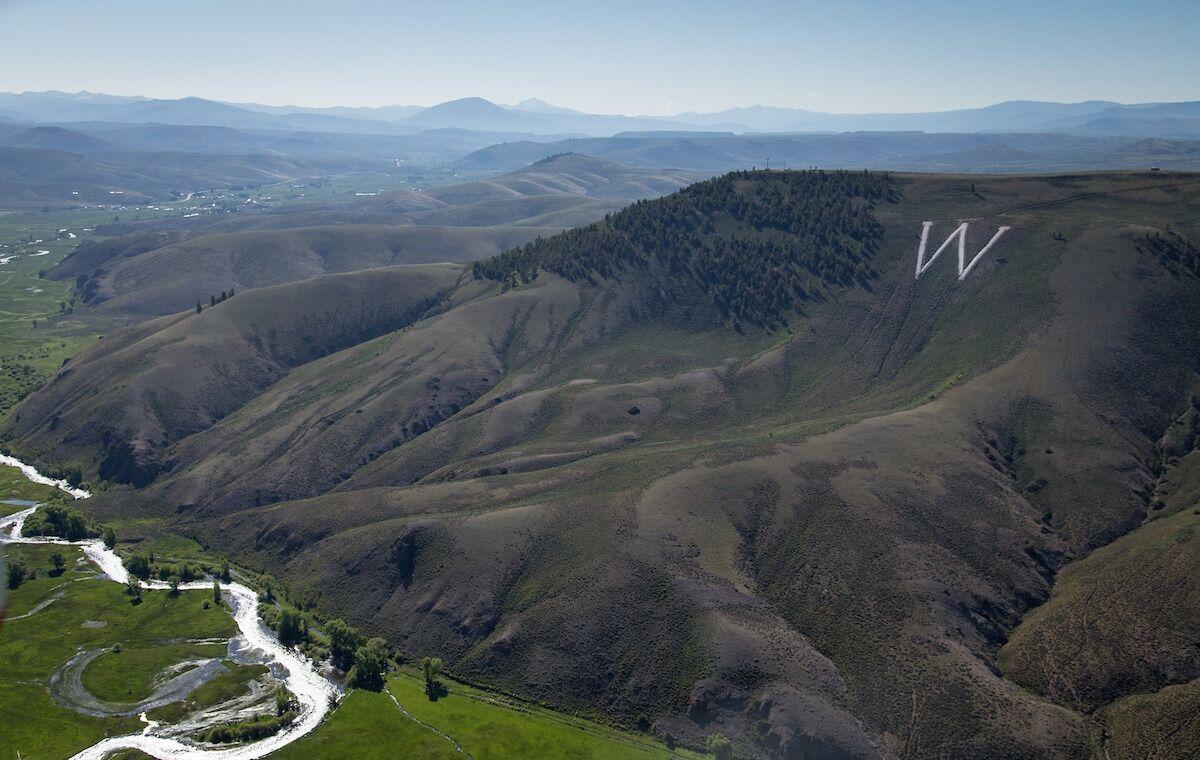
Located in Gunnison, Colorado, Western offers a unique setting for studying environmental and sustainability challenges. Surrounded by public lands, mountain ecosystems, and diverse natural resources, students experience the landscapes and environmental issues that shape the region.

Explore Environmental Challenges Across Disciplines
Environmental issues don’t exist in isolation. Western’s interdisciplinary approach connects environmental science, sustainability, policy, economics, and community planning, helping students understand complex challenges from multiple perspectives. With academic pathways spanning climate action, conservation, natural resource management, and environmental sustainability, students can pursue the areas that interest them most.

Learn From Faculty With Environmental Expertise
Western’s Clark Family School brings together faculty with expertise in ecology, conservation, public land management, environmental policy, and sustainability. Students benefit from faculty perspectives informed by research, professional experience, and involvement in environmental initiatives throughout the region.

Find an Academic Pathway That Fits Your Goals
Whether you’re beginning your undergraduate education or pursuing advanced environmental studies, Western offers multiple ways to explore your interests. Choose from undergraduate majors and emphases, graduate degrees in Environmental Management and Ecology, specialized certificates, and accelerated bachelor’s-to-master’s pathways.

“I really enjoy the amazing access to public lands so close to town, and it allows me to experience the outdoors every chance I get."

Gabby Zaldumbide

Gabby Zaldumbide

Environmental Careers & Professional Pathways

An environmental or sustainability degree can open doors to work involving conservation, natural resources, ecological research, environmental planning, and community sustainability. The Clark Family School helps students explore these fields through interdisciplinary study, hands-on experiences, and opportunities to connect with environmental professionals.

What Can You Do With an Environmental or Sustainability Degree?

Depending on your degree, specialization, and professional experience, environmental education can support pathways in areas such as:

  • Environmental conservation and stewardship
  • Natural resource and public land management
  • Ecological research and wildlife conservation
  • Environmental policy and planning
  • Climate action and sustainability initiatives
  • Watershed and water resource management
  • Ecosystem restoration and land rehabilitation
  • Community resilience and environmental management

Some career paths require additional education, specialized training, or professional credentials. Western’s undergraduate and graduate programs offer opportunities to develop knowledge and experience relevant to these fields.

Scholarships

Scholarships by Department

The Western Colorado University Foundation offers scholarships for this program. Explore eligibility requirements and funding opportunities.

General Western Scholarships

Western Colorado University offers merit—and need-based scholarships, recognizing achievement, financial need, and special talents.

Department News

Environmental Studies & Sustainability FAQs

What is environmental studies?

Environmental studies is an interdisciplinary field that examines the relationships between people, natural systems, and the environment. It combines perspectives from science, policy, economics, and the social sciences to explore environmental challenges and potential solutions. At Western Colorado University, students can study these connections through the Environment & Sustainability major and related areas of emphasis.

What is the difference between environmental studies and environmental science?

Environmental studies takes an interdisciplinary approach to environmental challenges, examining how natural systems interact with communities, policies, and human activities. Environmental science typically places greater emphasis on scientific methods and the physical and biological processes that shape the environment. Both fields contribute to understanding environmental problems, but they approach those challenges from different perspectives.

Where can I study environmental studies and sustainability in Colorado?

Western Colorado University offers environmental studies and sustainability education through its Clark Family School of Environment & Sustainability in Gunnison, Colorado. Students can pursue undergraduate study in Environment & Sustainability, explore specialized areas such as Climate Action Planning and Public Land Management, or continue their education through graduate programs in Environmental Management and Ecology.

What environmental degrees does Western Colorado University offer?

Western offers an undergraduate Environment & Sustainability major, a Master of Environmental Management (MEM), and a Master of Science in Ecology. Students can also explore undergraduate emphasis areas, graduate certificates, and accelerated bachelor’s-to-master’s pathways. These programs cover topics including climate action, conservation, ecological science, natural resource management, and environmental sustainability.

Can I study conservation and natural resource management at Western?

Yes. Western offers opportunities to study conservation and natural resource management through undergraduate and graduate environmental programs. Relevant areas include Public Land Management, Ecology & Conservation, Fisheries and Wildlife Management, Ecosystem Restoration, and Integrative Lands Management. Program options vary by degree level.

What is the difference between an MS in Ecology and a Master of Environmental Management?

An MS in Ecology generally emphasizes ecological science, research methods, and the study of ecosystems and environmental processes. A Master of Environmental Management focuses more broadly on applying environmental knowledge to management, policy, planning, and practical environmental challenges. Western offers both graduate pathways, allowing students to choose an approach that aligns with their academic and professional interests.

Are there hands-on learning opportunities in Western's environmental programs?

Yes. Western’s environmental programs incorporate experiential learning, field-based study, research, and applied projects. Students may have opportunities to explore environmental systems in the Gunnison Valley and Colorado Rockies and participate in initiatives involving conservation, land management, water resources, and sustainability. Specific opportunities depend on the program and coursework.

Can I earn an accelerated bachelor's-to-master's degree in an environmental field?

Yes. Western offers accelerated degree pathways that connect eligible undergraduate programs with graduate study in environmental management or ecology. These pathways allow qualified students to begin graduate-level coursework as part of their undergraduate academic plan. Eligibility, requirements, and available pathways vary by program.

What careers can you pursue with an environmental studies or sustainability degree?

Environmental studies and sustainability graduates may pursue opportunities in conservation, environmental planning, natural resource management, sustainability initiatives, environmental policy, and related fields. Career options depend on the degree, specialized training, and experience, and some positions require advanced education or professional credentials.

Faculty & Staff

Rebecca Anderson

Program Assistant for MEM and OSP

Gillian Bauer, MEM

MS in Ecology Graduate Program Facilitator; Lecturer in Environment and Sustainability

Ian Billick, PhD

Adjunct Faculty, Executive Director, Rocky Mountain Biological Laboratory

Sonny Bleicher, PhD

Lecturer in Wildlife Biology

Ian Breckheimer, PhD

Adjunct Faculty; Research Scientist in Spatial Ecology and Data Synthesis, Rocky Mountain Biological Laboratory

Hannah M. Carroll, PhD

Assistant Professor of Environmental Science and Ecology

Kate Clark, PhD

Assistant Professor of Environment & Sustainability, Center for Cold Climate Food Security Director

Keriann Conroy, MEM

Adjunct Professor

Jonathan Coop, PhD

Co-Director of the MS in Ecology; Professor of Environment and Sustainability

Kindra Jesse De’Arman, PhD

Assistant Professor of Environment and Sustainability

Jennie DeMarco

MSE Graduate Advisor

Briget Eastep, PhD

Co-Director of the MS in Ecology; Center for Public Lands Director

Matthew Ebbott, MS

Senior Lecturer in Recreation & Outdoor Education and Environment & Sustainability

Nate T. Gore, MEM

Lecturer of Recreation & Outdoor Education and Environment & Sustainability, Undergraduate Director

Karen Hausdoerffer, MFA

Lecturer in Environment & Sustainability, Graduate Writing Workshop Director

Derek D. Houston, PhD

Associate Professor of Biology

Russell Japuntich, MS

Adjunct Faculty; Southwest District Fisheries Biologist, Bureau of Land Management

Sarah R. Johnson, MAEd

Director of Mountain Resilience Semester and Field Based and Experiential Learning Coordinator

Patrick Magee, BA, PhD

Professor of Biology

Salif P. Mahamane, PhD

Associate Professor of Psychology; Graduate Faculty for MEM, Graduate Faculty and Outdoor Industry MBA

Patricia McCarthy

Department of Behavioral and Social Sciences Administrative Assistant

Molly Murfee, MA

Lecturer in Environment and Sustainability

Dominique Naccarato, MEM

MEM Director

Julie Nania

Coldharbour Institute Director & Faculty Lecturer

Jennie Reithel, PhD

Adjunct Faculty; Science Director, Rocky Mountain Biological Laboratory

Micah Russell, MS, PhD

Clark Family School Dean

Maxwell Sawyer, MEM

Adjunct Lecturer

Rich Stromberg, MEM

MEM Lecturer and Graduate Mentor

Ricardo Vazquez-Perales, PhD

Assistant Professor of Environment and Sustainability, Sustainable and Resilient Communities Director

Brooke Ann Zanetell, PhD

Assistant Professor of Public Land Management

Clark Family School of Environment & Sustainability

Contact Information

Contact Location

1 Western Way
Gunnison, CO 81230