Skip to Main Content
WCU - Graduate Program in Creative Writing - Hero

Graduate Program in Creative Writing

Part of: Graduate Program in Creative Writing, School of Graduate Studies

Offered as: Master's

Degree: Master of Arts or Master of Fine Arts in Creative Writing

Related Areas of Study: English with Master of Fine Arts in Creative Writing

Part of: Graduate Program in Creative Writing, School of Graduate Studies

Offered as: Master's

Degree: Master of Arts or Master of Fine Arts in Creative Writing

Related Areas of Study: English with Master of Fine Arts in Creative Writing

Elevate Your Voice. Earn Your MA or MFA in Creative Writing.

Western Colorado University’s low-residency creative writing master’s degree program offers both a Master of Arts (MA) in Creative Writing and a Master of Fine Arts (MFA) in Creative Writing for writers seeking immersive craft development, live online workshops, and meaningful literary community. Unlike traditional “packet” programs, we prioritize live, interactive online classes and meaningful connection, ensuring you are part of a vibrant community from your very first day.

Whether you are called to the landscape through Nature Writing, the precision of Poetry, the immersive worlds of Genre Fiction, the business of Publishing, or the visual rhythm of Screenwriting, our program provides a welcoming space to expand your craft alongside experienced, practicing faculty. As a flexible low-residency creative writing master’s program, Western is designed for working writers who want the structure of graduate study without relocating.

A Low-Residency Creative Writing Master’s Degree Built for Working Writers

The Low-Residency Advantage: Our low-residency creative writing master’s degree combines structured online coursework during the academic year with intensive, in-person summer residencies in the heart of the Colorado Rockies.

Personalized Mentorship: In Western’s MA and MFA in Creative Writing, you will work one-on-one with published authors and industry leaders who respect your unique vision and professional goals.

Live Engagement: Unlike traditional correspondence-based programs, our low-residency creative writing program offers live workshops and collaborative projects that keep you connected to your peers and mentors.

Real-World Impact: Whether your goal is to publish your first book, build a career in publishing, break into screenwriting, or use writing as an agent of change, our creative writing graduate program provides the tools and professional network to help you succeed.

Areas of Study: Find Your Narrative Home

Western’s creative writing master’s degree program is designed to meet you where you are in your writing life, offering both MA and MFA pathways across specialized concentrations in poetry, nature writing, publishing, screenwriting, and genre fiction.

Summer Residency: The Heart of Western’s Low-Residency Creative Writing Program

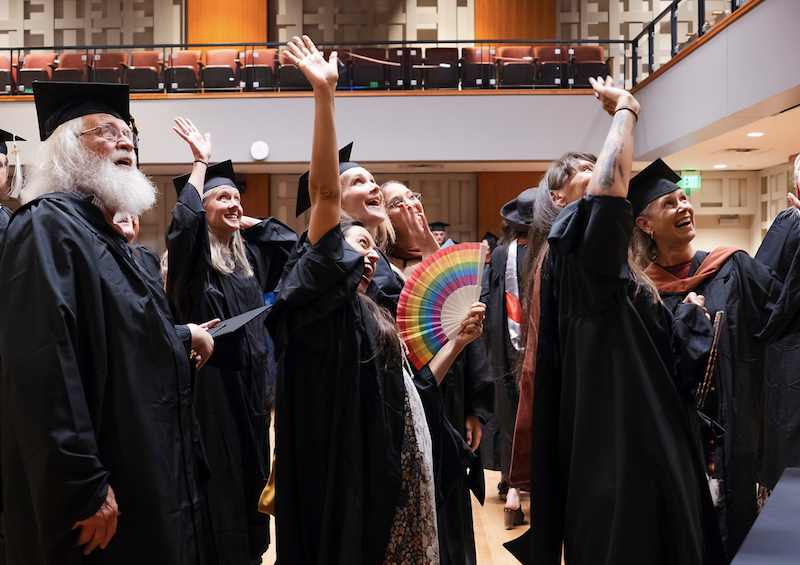
While Western Colorado University’s low-residency MA and MFA in Creative Writing offer the flexibility of live online coursework throughout the academic year, the heart of our creative writing community comes alive during the annual Summer Residency. Held each year in late July on Western’s campus in Gunnison, Colorado, this immersive residency transforms virtual peers and faculty mentors into a lifelong literary and professional network.

June Start: Begin Your Creative Writing Master’s Degree Early

Your academic journey begins online in June, several weeks before we meet in person for residency. This early start gives students in our creative writing master’s degree program a strategic academic and financial advantage by allowing coursework to begin before the July 1 federal financial aid deadline, helping secure eligibility under existing aid guidelines.

What to Expect During Your Creative Writing Summer Residency

Immersive Writing Workshops: Transition from your early summer online coursework into intensive, in-person workshops where you’ll receive direct feedback on your manuscripts from faculty and peers.

Craft Talks & Industry Insight: Attend craft talks led by faculty and participate in sessions with visiting authors, editors, and publishers who are actively shaping today’s literary and publishing landscape.

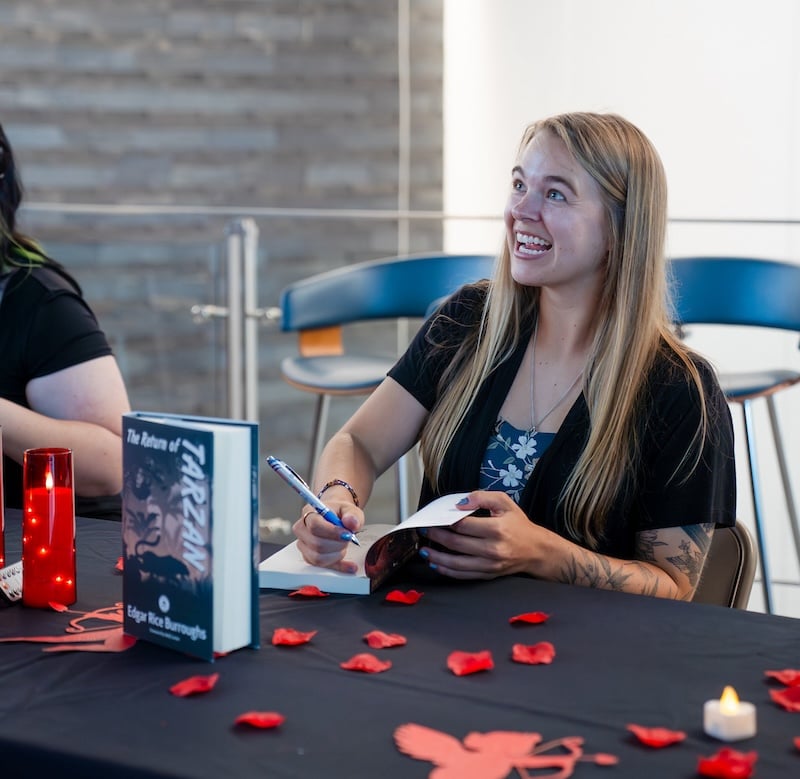
A Supportive Literary Community: Our residency is built on connection. Beyond the classroom, you’ll join communal meals, open-mic readings, and receptions that foster the kind of literary friendships and professional relationships that sustain a lifelong writing practice.

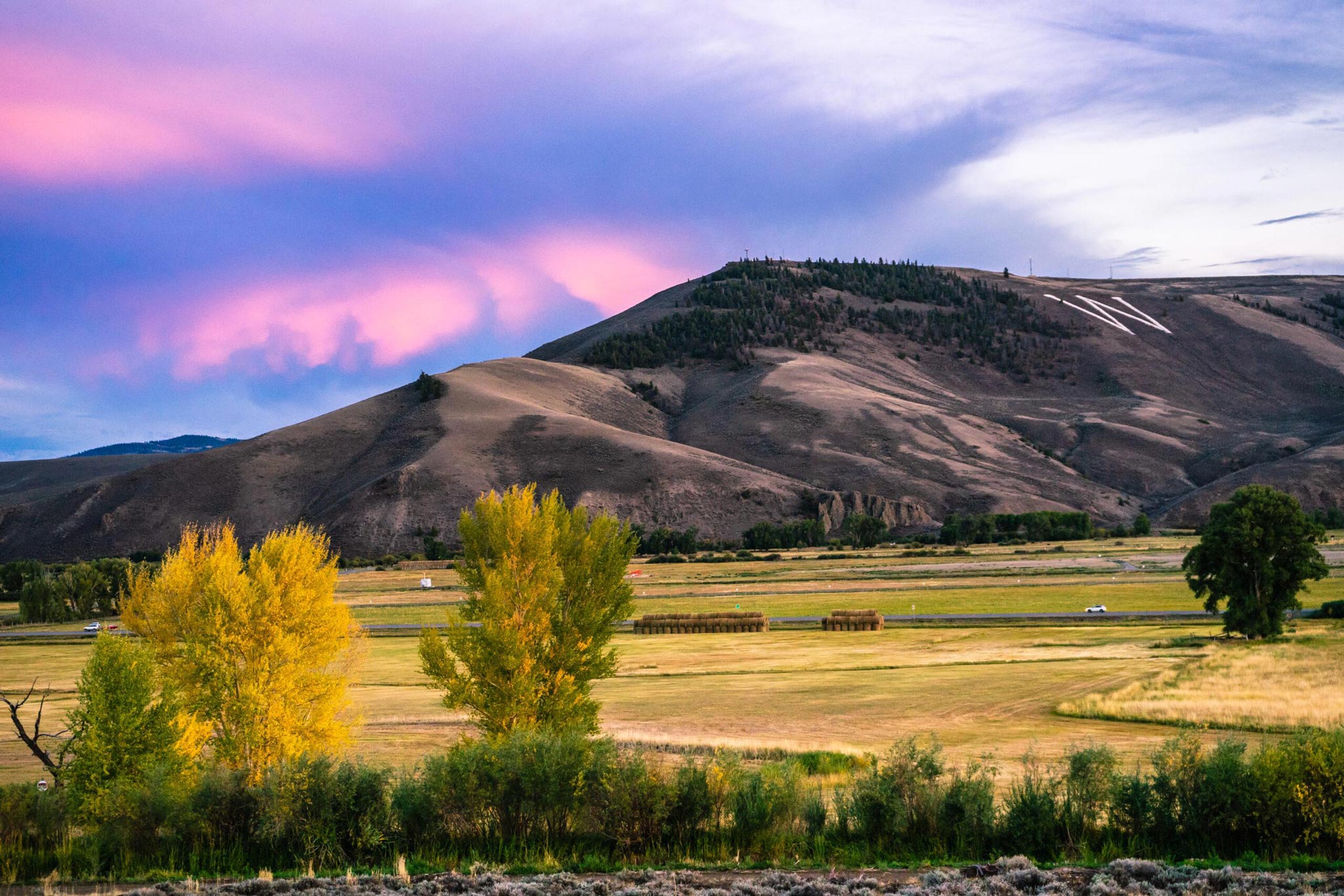
Writing in the Colorado Rockies: Surrounded by the natural beauty of Gunnison and the Colorado Rockies, the landscape itself becomes part of the creative process, offering inspiration, reflection, and the space to deepen your work.

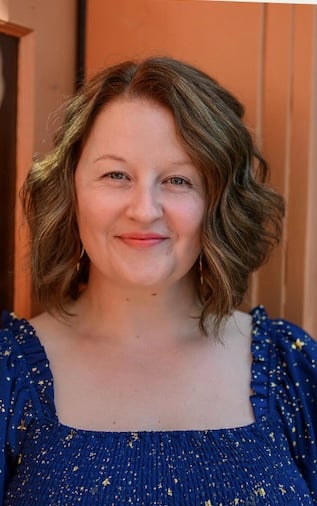
Western accelerated my growth as a poet, connected me to a supportive community, and guided me through a process I’ve always wanted to go through: writing and publishing my first book. If you are a writer seeking not only inspiration but also direction and support, let this program show you the way forward.

Erica Reid, MFA

Poetry Concentration Graduate Program in Creative Writing
Erica Reid

What Can You Do With a Creative Writing Master’s Degree?

Graduates of Western’s creative writing graduate program pursue careers in publishing, editing, teaching, screenwriting, communications, marketing, nonprofit storytelling, environmental writing, and independent authorship. Many students also use their MA or MFA in Creative Writing to complete book manuscripts, pursue publication, or continue into doctoral study.

Real-World Experience in Creative Writing

Western’s experiential learning approach helps creative writing students apply their craft in real-world literary and publishing spaces. Through live workshops, faculty mentorship, summer residency immersion, industry masterclasses, and collaborative literary community, students build practical experience that strengthens both their creative portfolio and professional development.

Meet our Leadership & Concentration Directors

The faculty leadership of Western’s MA and MFA in Creative Writing includes award-winning authors, poets, publishers, and scholars committed to helping students strengthen their craft and build sustainable writing careers. More than administrators, our directors are active literary professionals who bring real-world publishing experience, creative expertise, and a deep understanding of craft into the classroom. Through live, interactive mentorship, they help shape the collaborative literary community that defines Western’s low-residency creative writing program.

Program Leadership

Tyson Hausdoerffer (Program Director): A Western alumnus (BA ’92), Tyson brings a profound perspective to the GPCW, shaped by his work translating ancient epics like Homer’s Iliad. His scholarly and creative focus on reaching across time to uncover persistent human truths ensures that our program remains a rigorous and supportive home for writers of all backgrounds.

CMarie Fuhrman (Associate Program Director): An acclaimed writer and teacher, CMarie works across the program to foster a culture of excellence and equity. She is dedicated to helping students use their passion as a force for positive change, ensuring that every voice in our community is heard and valued.

Concentration Directors

Laura Pritchett (Nature Writing): A prolific, award-winning author of both fiction and nonfiction, Laura focuses on writing as an agent of change, helping students bridge the gap between deep environmental observation and impactful storytelling.

Johanna Parkhurst (Genre Fiction): An accomplished novelist with a deep understanding of narrative craft, Johanna leads the Genre Fiction concentration, focusing on the architecture of imagination and preparing students to engage professionally with the modern publishing market.

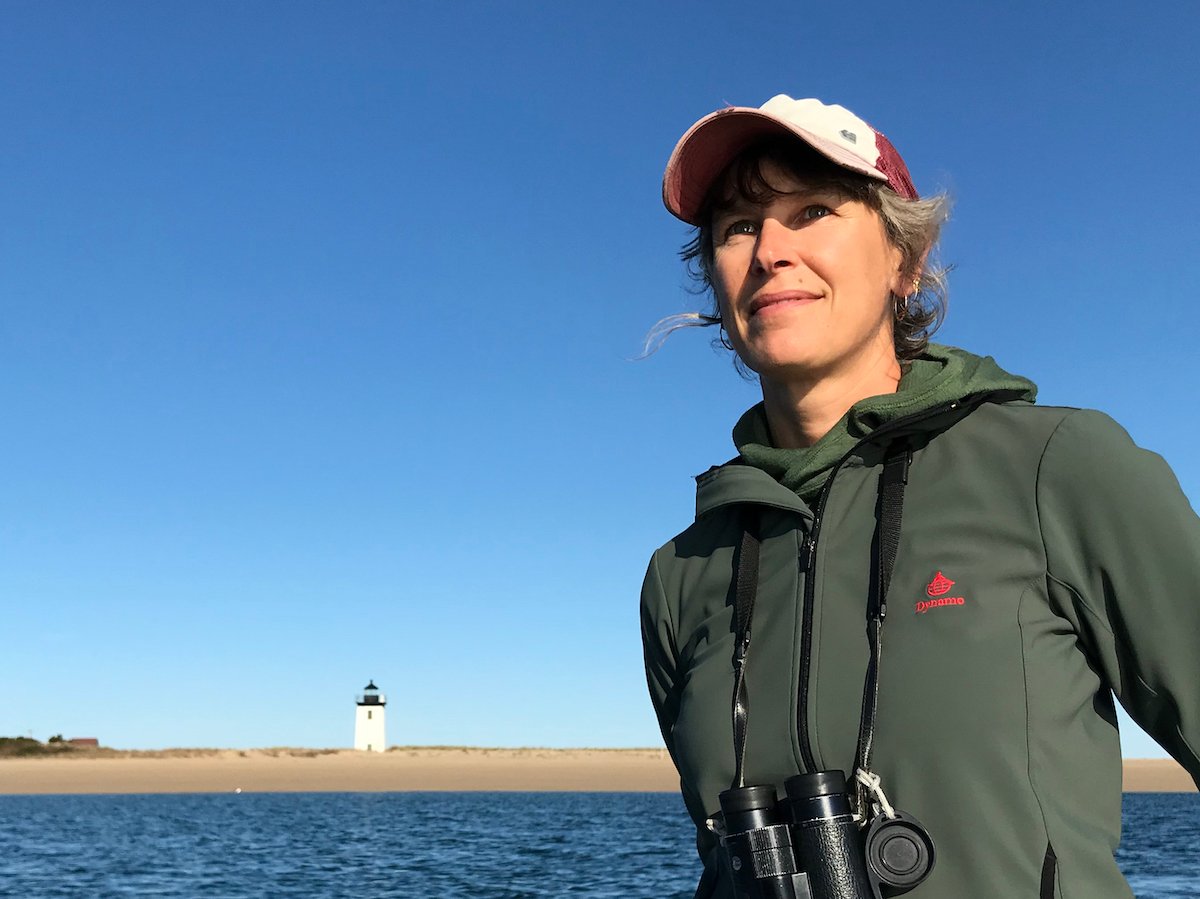
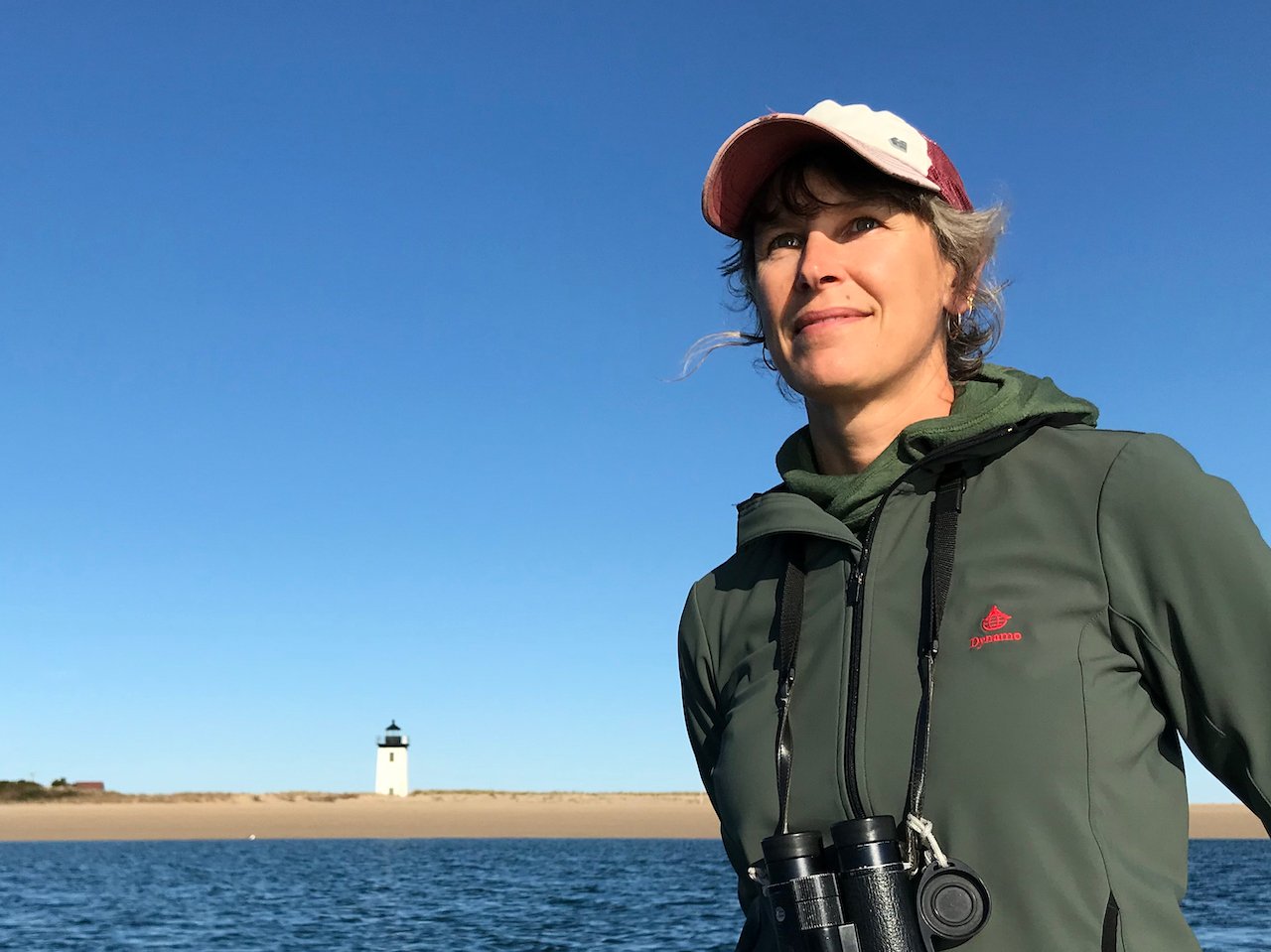
Elizabeth Bradfield (Poetry): An award-winning poet and naturalist, Elizabeth leads our students through the compressed potential of sound and form, helping each writer find a unique aesthetic that joins a global conversation.

Kevin J. Anderson & Allyson Longueira (Publishing): With decades of experience in both traditional and independent publishing, Kevin and Allyson provide unparalleled insight into the business of books, helping students launch their own presses and navigate the global industry.

James Napoli (Screenwriting): A filmmaker and story consultant, James guides students through the visual rhythm of the screen, providing the technical mastery needed to move stories from the page to the theater.

Frequently Asked Questions: Graduate Program in Creative Writing

What is a creative writing master’s degree?

A creative writing master’s degree is a graduate program focused on developing writing craft, creative voice, and professional practice through workshops, mentorship, and advanced literary study. At Western Colorado University, students can earn either a Master of Arts (MA) in Creative Writing or a Master of Fine Arts (MFA) in Creative Writing through a flexible low-residency format.

What is the difference between an MA and MFA in Creative Writing?

The primary difference is depth and duration. Western’s MA in Creative Writing is a 30-credit program designed for focused creative development and professional growth, while the MFA in Creative Writing is a 60-credit terminal degree that offers deeper craft immersion, advanced mentorship, and a larger creative thesis project. Both provide rigorous graduate-level writing education.

Can I earn a creative writing master’s degree online?

Yes. Western’s low-residency creative writing program combines live online coursework with an annual in-person summer residency in Gunnison, Colorado. This format allows students to earn an MA or MFA in Creative Writing without relocating while maintaining meaningful faculty and peer connection.

Is a low-residency MFA in Creative Writing worth it?

For many writers, yes. A low-residency MFA in Creative Writing offers the flexibility to continue working while developing craft through live workshops, one-on-one mentorship, and immersive residency experiences. It combines professional flexibility with the structure and community of a graduate writing program.

Is this creative writing graduate program suitable for working professionals?

Yes. Western’s low-residency model is intentionally designed for working professionals, educators, and active writers. Live online classes, structured schedules, and summer residencies make it possible to balance graduate study with full-time work and personal responsibilities.

Do I need an MFA to become a writer?

No. Many successful writers do not hold MFAs. However, an MA or MFA in Creative Writing can provide structured mentorship, dedicated writing time, industry insight, and a literary community that helps writers strengthen their craft and build professional momentum.

What careers can a creative writing master’s degree support?

A creative writing master’s degree can support careers in publishing, editing, teaching, screenwriting, communications, marketing, nonprofit storytelling, environmental writing, and media. Many graduates also pursue book publication, freelance writing, or doctoral study.

What makes Western’s creative writing master’s degree different?

Western’s Graduate Program in Creative Writing stands apart through its live online workshops, individualized faculty mentorship, specialized concentrations, and immersive summer residency model. Unlike traditional packet-based low-residency programs, Western prioritizes real-time engagement, creative community, and professional literary development.

Contact Us

If you have any questions about our low-residency creative writing programs, including application requirements, cost, or timing, please feel free to reach out. Our team is happy to connect with you!

Admissions, Cost & Requirements

MFA Admissions
MA Admissions
Tuition & Costs
Program Requirements

Joining Our Community: MFA Admissions & Requirements

We welcome applications for the Master of Fine Arts on a rolling basis from August 1 through May 31. Because our cohorts are small and highly personalized, we recommend applying early to secure your spot for our June start date. You can expect a decision from us within four weeks of completing your application.

What You’ll Need to Apply

  • A Bachelor’s Degree: Official transcripts from an accredited college (a 3.0 GPA is recommended).
  • A Personal Statement: A 1,000-word reflection on your experience, your commitment to the writing life, and why Western is the right home for your goals.
  • Two Professional Recommendations: Letters from mentors or colleagues who can speak to your readiness for graduate-level craft.
  • A Writing Sample: This is your chance to share your voice with us. Requirements vary by concentration:
    • Poetry: 10–15 pages.
    • Nature Writing: 20–25 pages (any genre or mix).
    • Genre Fiction: 20–25 pages.
    • Screenwriting: 15–30 pages of a screenplay or short film script.

Our Approach to Admission

We believe in potential. If you don’t meet every requirement for full admission, you may be considered for Provisional Admission, giving you the space and time (up to one year) to complete any necessary prerequisites while beginning your journey with us.

Transfer Credits

International Students

Joining Our Community: MA Admissions & Requirements

We welcome applications for the Master of Arts on a rolling basis from August 1 through May 31. Because we focus on small cohorts and high-level mentorship, we recommend applying early to secure your spot for our June start date. You will receive an admissions decision within four weeks of completing your application.

What You’ll Need to Apply

  • A Bachelor’s Degree: Official transcripts from an accredited college (a 3.0 GPA is recommended).
  • A Personal Statement: A 1,000-word reflection on your writing experience, your commitment to the craft, and how Western can help you reach your professional goals.
  • Two Professional Recommendations: Letters from individuals who can speak to your readiness for graduate-level work.
  • A Writing Sample: This is our first look at your voice. Please follow the guidelines for your chosen concentration:
    • Poetry: 10–15 single-spaced pages.
    • Nature Writing: 20–25 pages (any creative genre or a mix).
    • Genre Fiction: 20–25 pages (ideally from a single work).
    • Screenwriting: 15–30 pages of a screenplay.
    • Publishing: A 3- to 5-page critical assessment of a provided story.

Our Approach to Admission

We look for potential and dedication. If you don’t meet every requirement for full admission, you may be considered for Provisional Admission. This path allows you up to one year to complete any necessary prerequisites as you begin your journey with our faculty and community.

Transfer Credits

International Students

Investing in Your Writing Life

We believe in transparency when it comes to the cost of your education. Our low-residency model is designed to be accessible, allowing you to maintain your professional life while you pursue your degree. Tuition is billed by the credit hour, allowing you to manage your investment as you progress through the program.

Tuition & Program Value

  • Tuition: $749.60 per credit hour.
  • Standard Graduate Fees: $73.40 per credit hour (includes administrative operations, library, and IT services).
  • One-Time Matriculation Fee: $50.00. Applies once to new students in their first fall semester.
  • Summer Residency Fee: $600.00 (charged only during the summers you attend the residency in Gunnison).

Program Totals at a Glance

  • Master of Arts (MA): A focused 15-month journey totaling 30 credits. The estimated total for tuition and fees is $25,940.00.
  • Master of Fine Arts (MFA): A deep 27-month immersion totaling 60 credits. The estimated total for tuition and fees is $51,230.00.

All tuition and fees are subject to change, and any updates will be announced prior to the summer term.

For both the MA and MFA programs, students have a maximum of five years for completion of a master’s degree from initial enrollment as a graduate degree seeking student. In order to maintain active status, graduate students must register in at least one graduate course per academic year. 

The Master’s Experience: A Path to Your Professional Goals

A graduate degree is a transformative step that deepens your specialized knowledge and refines your artistic practice. At Western, your chosen concentration allows you to shape your expertise through high-level coursework, culminating in a final project or thesis that serves as a cornerstone for your long-term writing life.

Whether you seek the one-year MA for focused professional development or the two-year MFA terminal degree for university-level teaching and deep craft exploration, our program is built to support your unique journey.

Explore Your Program Path:

  • MA Program Requirements: A streamlined, one-year path to professional growth.
  • MA Degree Plan: View the course sequence tailored to your concentration.
  • MFA Program Requirements: The two-year terminal degree path for a deeper dive into craft and pedagogy.
  • MFA Degree Plan: Map out your journey toward a publishable thesis.

Scholarships & Financial Aid

We are committed to ensuring that our community remains diverse, inclusive, and accessible to writers from all walks of life. To support this mission, we offer:

Faculty & Staff

Kevin J. Anderson, MFA

Director, Publishing Concentration

Byron Aspaas, MFA

Poetry Concentration Faculty

Karen Auvinen, PhD

Nature Writing Concentration Faculty

Elizabeth Bradfield

Poetry Concentration Director

Olivia Chadha, PhD, MA, BA

Genre Fiction Concentration Faculty

Joe Fassler

Genre Fiction Concentration Faculty

Amy Fox, MFA

Screenwriting Concentration Faculty

CMarie Fuhrman, MFA

Associate Director, Graduate Program in Creative Writing; Faculty, Poetry and Nature Writing Concentrations

Gwyneth Gibby, MA

Publishing Faculty

Sarah Goettsch

Graduate Program in Creative Writing Coordinator

Tyson Hausdoerffer, PhD

Director, Graduate Program in Creative Writing; Faculty, Poetry Concentration

Mitali Jahagirdar, MFA

Screenwriting Concentration Faculty

Tenea D. Johnson, MA

Genre Fiction Concentration Faculty & Thesis Mentor

Lindsay King-Miller, MFA

Genre Fiction Concentration Faculty & Thesis Mentor

Kimberlea Kressal, MFA

Screenwriting Concentration Faculty

Gary Copeland Lilley, MFA

Poetry Concentration Faculty

Allyson Longueira, MA

Associate Publishing Concentration Director

JS Mayank, MFA

Screenwriting Concentration Faculty

Cameron McGill, MFA

Poetry Concentration Faculty

Candace Nadon, PhD

Genre Fiction Concentration Faculty

James Napoli, MFA

Screenwriting Concentration Director

Johanna Parkhurst, MA

Genre Fiction Concentration Director

Laura Pritchett, PhD

Nature Writing Concentration Director

Erica Reid, MFA

Poetry & Nature Writing Faculty

Laura Resau, MA

Nature Writing & Genre Fiction Faculty

Liz Sczudlo

Screenwriting Concentration Faculty

Andrew Sellon, MFA

Performance Coach and Lecturer

Nakeesha Seneb

Genre Fiction Concentration Faculty

Cindy Skaggs, MFA

Genre Fiction Concentration Faculty

Ana Maria Spagna, MFA

Nature Writing Concentration Faculty

Kaila Young, MFA

Graphic Design Associate

Maya Jewell Zeller, MFA

Poetry & Nature Writing Concentration Faculty

Graduate Program in Creative Writing

Contact Information

Contact Location

Western Colorado University
Quigley Hall 117
1 Western Way
Gunnison, CO 81231

Mountain Graphic